

Paekākāriki.NZ
Your pocket universe
Kia ora
Resources
Background
News
What's On
Stories
Kia ora
Welcome to Predator Free Paekākāriki!
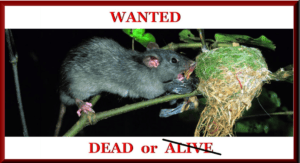
Predator control helps to protect the local kororā (little blue penguin), our native skinks and geckos, and bird life, and ensure they flourish.
Predator Free Paekākāriki are helping villagers to get involved in backyard trapping by providing traps, peanut butter bait, resource material, and support networks. We are also undertaking predator control in parks and public reserves, targeting rats, mustelids and possums.
How do we achieve this?
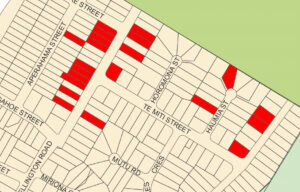
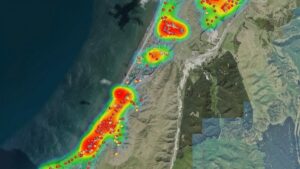
To have any chance of ridding the village of predators we need to have traps in every 1 in 5 properties across Paekākāriki to ensure sufficient coverage. From the information we have at hand as @ end of 2023, we are sitting at about 1 in 10, halfway there!
Get involved.
Backyard trapping
Get a trap for your backyard and start helping our native wildlife.
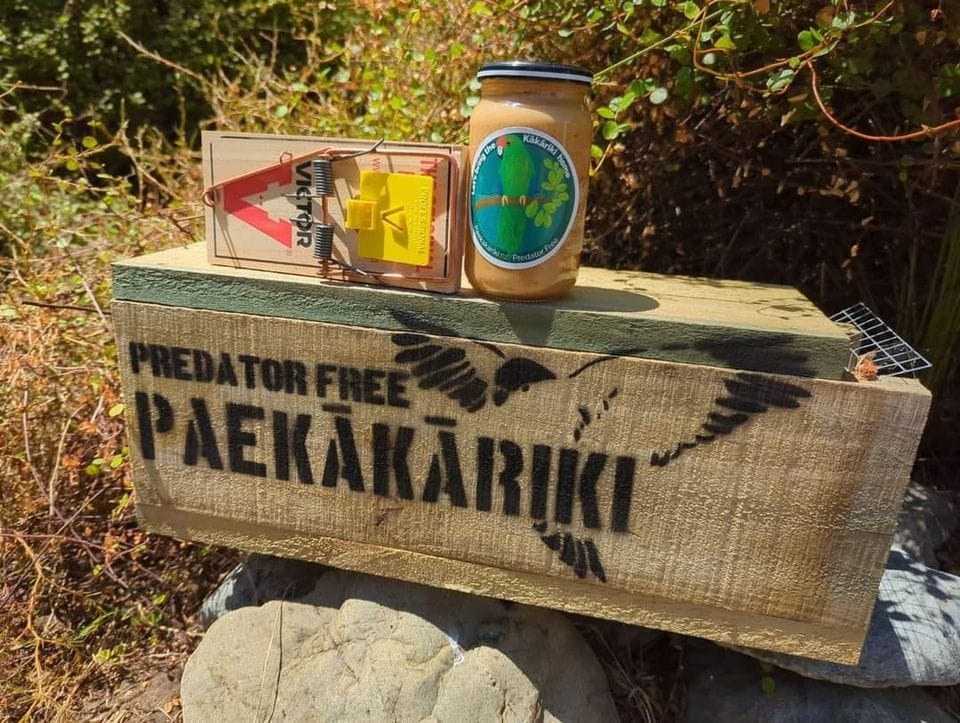
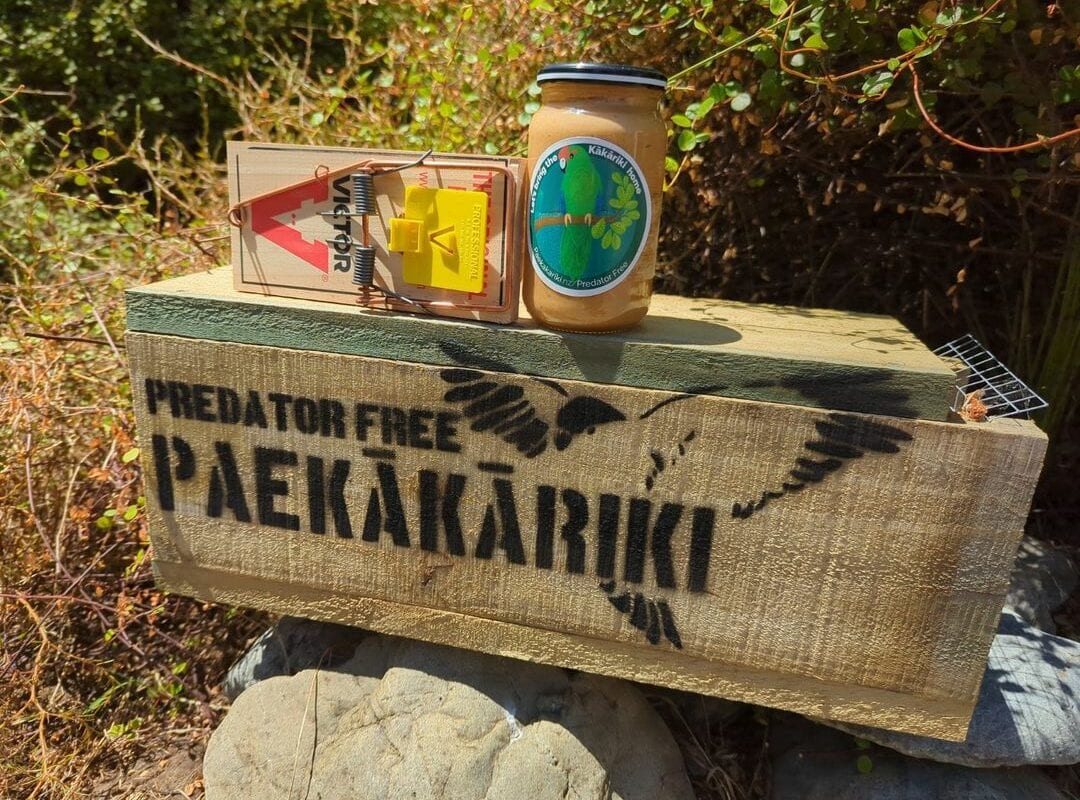
Traps for sale We have individual rat and mice traps for sale, and tunnel trap packages, which include free delivery in the village. The tunnel trap packages include a rat trap, a wooden tunnel, a jar of peanut butter bait, and instructions. The traps are easy to use, and safe for pets and kids. Complete the ordered form here.
NOTE: we only supply traps to Paekākāriki residents.
Already have a trap.
Rodents are fine diners and prefer fresh! Make sure you are checking your traps often, and rebaiting.
Free peanut butter bait for traps. Fix and Fogg have very kindly provided the project with end of line peanut butter, not fit for human consumption but ideal as gourmet bait! Swing by Paekākāriki Fruit Supply to pick up a free jar. Thank you very much to Kim at the Fruit shop for stocking this again.
Resources and support material available Department of Conservation – Te Papa Atawhai has a good site that covers the basics of backyard trapping. Also check out our resources page.
Other ways to get involved
Lending a hand to neighbours – helping out neighbours who are less able or don’t want to check and reset traps.
Join the Predator Free Paekākāriki team – we can always do with a hand with checking trap lines, occasionally building traps etc. Please email us if you are interested.
Join our local village predator free Facebook page to connect with other local trappers who can provide tips and advice.
Resources
Traps
Predator Free Paekākāriki Trap Orders (google.com)
Tunnel Trap Package: 1 for $25 or 2 $40
Buy a backyard rat and mouse trap that comes complete with a custom-made wooden tunnel box to keep the trap safe from curious pets and children, and a free jar of peanut butter bait to get you started.
Replacement rat and mouse traps also available to order.
Backyard trapping guides and support material
Backyard trapping information – where to place your traps, how to set, and how to clear. Department of Conservation – Te Papa Atawhai
How to use trap.nz
Recording trapping data is an important part of backyard trapping. Use the Trap.NZ website or mobile app to make a record of what you’re catching and how often you’re checking your trap.
Join the Trap.nz Predator Free project group here Predator Free Paekakariki | Trap.NZ
Full instructions on how to create an account, join the project and record catches here
Composting safely
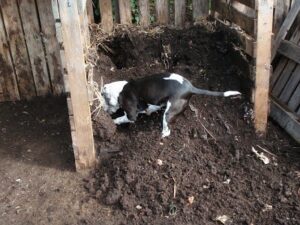
How to compost safely – some great tips on how to compost safely can be found here.
Making your chicken coop less appealing to rodents
Tips to make your chicken coops safer for your feather friends and less enticing to rodents!
Background
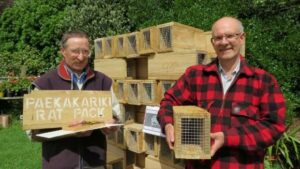
Paekākāriki has been at the forefront of backyard trapping programmes. The founding Paekākāriki Rat Pack began as one of the projects undertaken by one of the neighbourhood teams from the 2011 KCDC ‘Greenest Street’ competition and is likely the first backyard trapping group anywhere in New Zealand. A key driver of the idea was Geoff Osgood, along with Aaron Richardson.
Recognising that composting and organic waste management systems would offer a greater food source for pests, the Paekākāriki Rat Pack started a rodent and stoat control program. The idea quickly spread through the village.
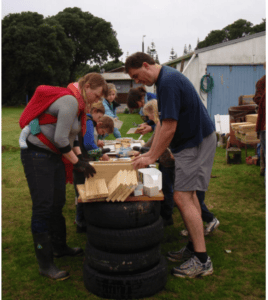
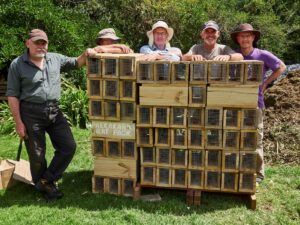
Geoff organised a number of community working bees at the Paekākāriki motor camp to build traps. Materials in the early days came from many sources, including the use of recycled wood and plastic.
Geoff was also an early adopter of the catch reporting system Trap.nz developed in Paekākāriki by Groundtruth. Trap.nz is now used throughout New Zealand on over 2000 projects and has thousands of active users.
In 2020 The Paekākāriki Rat Pack was renamed Predator Free Paekākāriki to reflect the focus on all predators, and part of the wider Predator Free 2050. Over a decade on the group continues the great work of the founding rat pack.
News
What's On

Stories